Flat roofing systems chosen by the building, not the brochure
Flat and low-slope roofs are systems engineering: membrane, insulation, drainage, and details that either work together for decades or fail together at the first ponding season. Next Gen Roofing & Construction designs, installs, repairs, and restores flat roofing across Central Texas for commercial buildings, multi-family properties, and the modern homes that wear low-slope sections.
The system options, honestly compared
- TPO membranes: the commercial default, reflective, weldable, and cost-effective, in 60-mil and 80-mil specifications.
- PVC membranes: superior durability and chemical resistance at a 15 to 25 percent premium over TPO, earning it on kitchens, restaurants, and exposure-heavy roofs.
- Modified bitumen: the right answer over some substrates and on smaller sections where membrane logistics do not pencil.
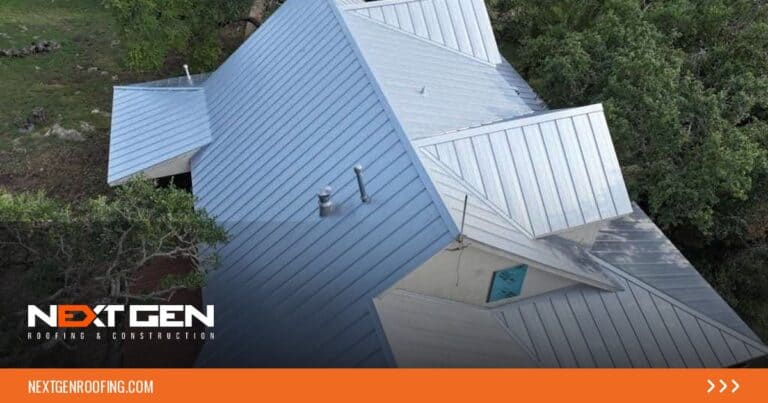
- Standing seam metal: for low slopes that want a 50 year architectural answer.
- Coating systems: restoration over sound existing membranes, resetting service life at a fraction of tear-off cost.
Drainage decides everything
Flat roofs do not fail flat, they fail low: at the ponding zones where water sits, UV concentrates, and membranes age at double speed. Every flat roofing project here starts with the drainage reality, slopes verified, drains and scuppers sized and cleared, and tapered insulation designed where the deck needs help. Fixing a membrane while ignoring the pond that killed it is a warranty claim on a schedule, and we decline that work on principle.
Repair, restore, or replace, with the math shown
Isolated membrane damage on a sound system wants repair. Sound membranes with tired surfaces want restoration, often 10 to 20 added years at a fraction of replacement. Saturated insulation, failed seams at scale, or decks past their duty want replacement, and a core sample plus moisture scan tells the truth before the budget commits. All three paths arrive priced over a ten year horizon, because the cheapest year-one number is frequently the most expensive decade.
Residential flat roofs, taken seriously
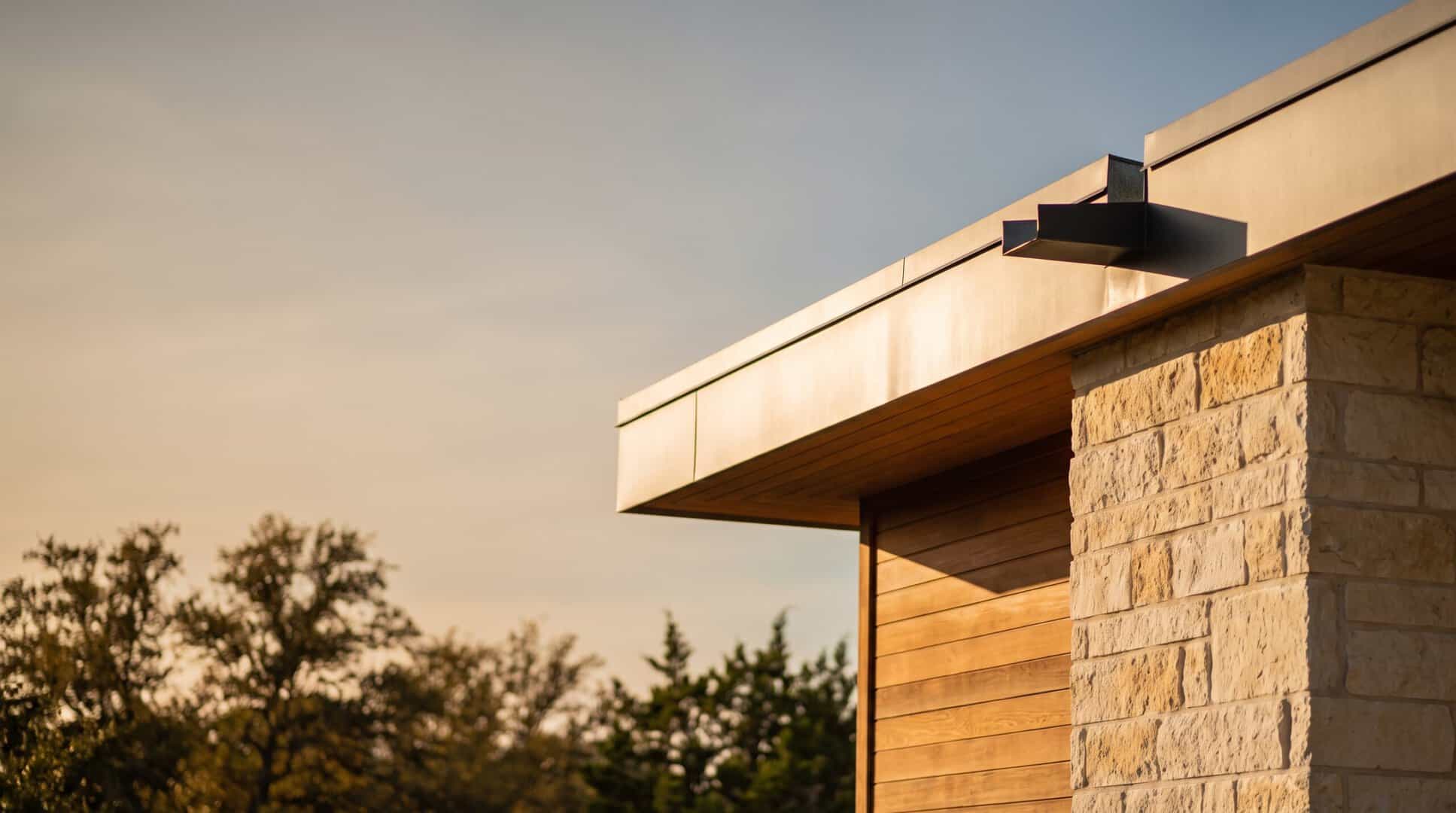
Modern and mid-century homes with low-slope sections deserve better than shrunk-down commercial habits: residential flat work here gets the same welded details and drainage discipline, plus the aesthetic care a home’s visible edges demand. Parapets, scuppers, and terminations get finished like architecture, and tie-ins to pitched sections get flashed like the leak points they are.
Emergency response and maintenance
When a flat roof fails it fails indoors, so leak response runs around the clock through emergency roof repair, with temporary protection immediately and the permanent fix documented in daylight. Between emergencies, maintenance agreements keep drains clear, seams monitored, and small failures caught quarterly, the cheapest flat roofing any building ever buys.
Getting the assessment
One site visit produces the decision document: condition, moisture data, drainage reality, and the three paths priced honestly. Flat roofs reward owners who plan and punish owners who react, and the assessment is how you get on the right side of that line.
Insulation, the invisible half of the flat roof
What sits under the membrane matters as much as the membrane: insulation drives the building’s energy performance, carries the tapered slopes that drainage depends on, and is the component that quietly totals a roof when it saturates. Our flat roof scopes treat insulation as a design decision, R-value matched to the building’s use, taper plans drawn where decks pond, and moisture scans that verify what the old roof is hiding before the new one commits to covering it.
Why flat roofs reward one accountable company
Flat systems interconnect: the HVAC curb flashed by one contractor, the membrane run by another, and the drain serviced by a third is how leaks become orphans nobody owns. Running assessment, installation, repairs, and maintenance under one company means every detail has the same owner, every record lives in one file, and the phone number that installed the roof is the phone number that answers when weather tests it. Buildings run better with fewer seams, on the roof and in the accountability.
The flat roof file
Every engagement builds the record a flat roof should have and rarely does: assessment findings, scope drawings, weld and fastening records, warranty registrations, and the maintenance log that keeps coverage enforceable. When ownership changes or a carrier asks, the file answers in an afternoon, and buildings with answered files close deals and claims faster than buildings with attics full of guesses.
Flat roofing systems for every building and budget
Low slope buildings get four main roofing options from our crews. TPO roofing delivers reflective energy savings and fast installation for most commercial roofs. Modified bitumen brings multi ply redundancy that property managers of older buildings trust. EPDM rubber runs quietly for decades in the right applications. Roof coatings restore an aging but sound roof for a fraction of replacement cost. There is no single best system, only the best match for the deck, the drainage, the equipment on the roof, and the years you need it to last, and our estimates price the real contenders side by side.
Flat roof repair and ongoing roofing services
Ponding water, blistered membrane, and split seams are the classic flat roof warning signs, and all three get worse at the speed of weather. Our flat roof repair crews handle emergency patches, drainage corrections, and seam work on every membrane type, and a twice yearly inspection catches the small roof repairs while they are still small. When a roofing system does reach the end of its life, you will hear it from us with photos and options, not a scare pitch. That is how a roofing company keeps commercial clients for decades, and why building owners hand Next Gen Roofing & Construction the keys year after year. A free inspection tells you exactly where your roof stands and what the next five years of roofing services should cost.
Put your roof on the schedule
The fastest route to a real answer is a documented inspection. A certified crew photographs every plane, then gives a straight read on whether flat roofing is the right call on your property right now, and what it would cost if it is.
The office picks up at (830) 330-1123. If it is easier to type it out, start the estimate here.