Industrial roofing that respects production schedules
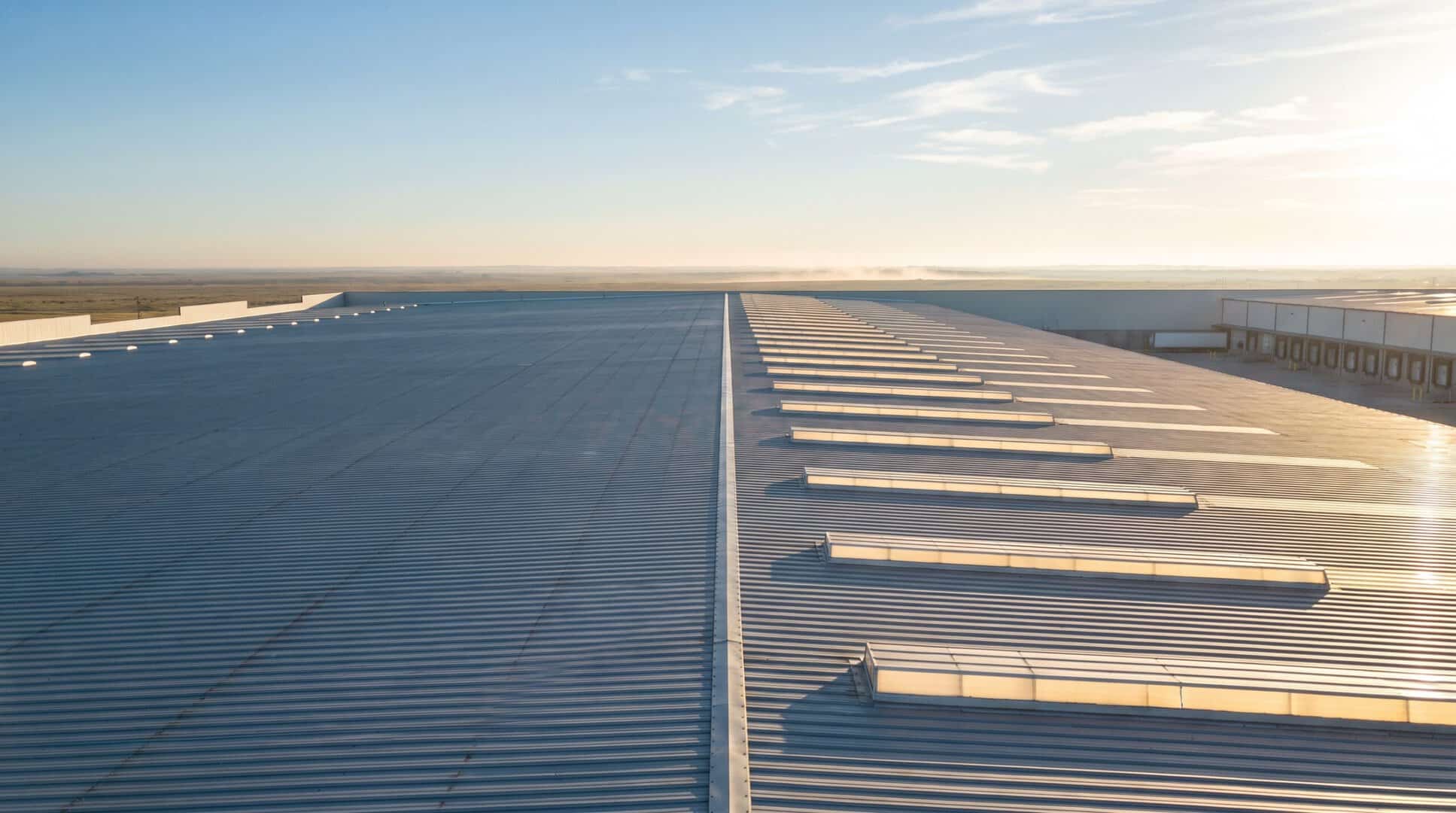
Warehouses, manufacturing facilities, and distribution buildings cannot stop working while their roofs get fixed, so industrial roofing succeeds or fails on planning. Next Gen Roofing & Construction scopes industrial projects around operations: phased sections, off-shift work where the process demands it, and repairs sequenced so the building never loses more protection than the day’s work restores.
Emergency response, around the clock
Industrial leaks do not wait for business hours, and neither does the response. Emergency crews handle leaks, storm damage, and system failures any hour, implementing temporary protection immediately while the permanent repair gets planned with your facility team. Water over product, equipment, or racking is a different class of emergency than a residential drip, and the response times reflect that.
Repair, restore, or replace
Industrial roofs under 15 years old with isolated damage usually want targeted repairs. Systems approaching 20 to 25 years warrant the replacement conversation, and the middle ground often belongs to coating restorations that reset a sound membrane’s clock at a fraction of tear-off cost. Our assessments come with the numbers for all three paths over a ten year horizon, so facility managers can defend the recommendation in the budget meeting it has to survive.
Systems built for industrial reality
- TPO membranes for the large low-slope fields that define industrial construction.
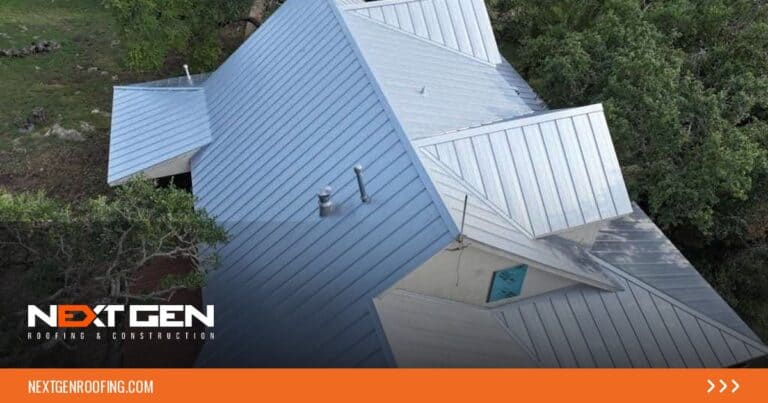
- Metal roof systems repaired, retrofitted, and coated on the buildings that wear them.
- Modified systems where older substrates call for them.
- Flat roofing details done right: drains, penetrations, curbs, and the flashing where industrial roofs actually fail.
Maintenance that pays for itself
Regular maintenance extends commercial roof life 30 to 50 percent beyond unmaintained systems, and on an industrial footprint that percentage is real money. Programs include scheduled inspections that catch problems before they escalate, routine cleaning and debris removal, and the documentation trail warranty compliance and asset management require. The maintenance line in the budget is the cheapest roofing a facility ever buys.
Documentation your facility file needs
Every industrial engagement produces the paperwork the building has to keep: condition assessments with moisture data, repair records with photographs, warranty registrations, and scopes written to specification rather than adjective. When ownership changes, insurance renews, or an auditor asks, the roof file answers.
Safety and site discipline
Industrial sites run on safety programs, and a roofing crew that cannot integrate with them does not belong on the roof. Our industrial work follows site-specific safety plans, coordinates hot work and access permits with facility management, and stages material so dock operations, truck routes, and employee parking keep moving. Fall protection, debris containment, and daily housekeeping are run as process, not preference, because one safety incident costs an operation more than every roofing contract on the street combined.
The energy line on a big footprint
Industrial roof area is measured in acres, which turns reflectivity into real money. Bright TPO membranes and reflective coating systems drop roof surface temperatures dramatically against dark aged surfaces, cutting the cooling load on conditioned space and easing the strain on rooftop units. On a large footprint the summer energy delta alone can fund a meaningful share of a restoration project, and we put that math in the scope where the CFO can see it.
When the building changes hands or use
Industrial roofs outlive tenants, owners, and sometimes the building’s whole purpose. Re-tenanting, refinancing, and change-of-use projects all trigger roof questions, and a documented condition history answers them in days instead of discovery weeks. We assess buildings entering due diligence, write the reports lenders and buyers accept, and scope the corrections that make a deal’s roof contingency disappear.
Starting the conversation
Most industrial engagements begin with one leak or one lease requirement and grow into a plan. Bring us the symptom and the operating constraint it lives under, and the first deliverable is a documented assessment your facility team can act on: current condition, urgent items separated from watch items, and the ten year path priced honestly. From there the work phases however the operation needs, and the roof stops being the thing nobody in the building wants to think about until it rains sideways.
References from active industrial accounts are available on request, and facility managers are welcome to talk directly with the crews who will run their site. The best evidence for how an industrial project will go is how the last one went, and ours hold up to that phone call.
Getting industrial roofing handled
Ask for the free inspection and you get three things back: a condition report with photographs, an itemized scope if work is warranted, and a clear no if it is not. Nothing has to be decided while somebody is standing in your driveway.
Call (830) 330-1123 when you are ready, or get a free estimate without picking up the phone at all.