Wind damage roof repair before the next front
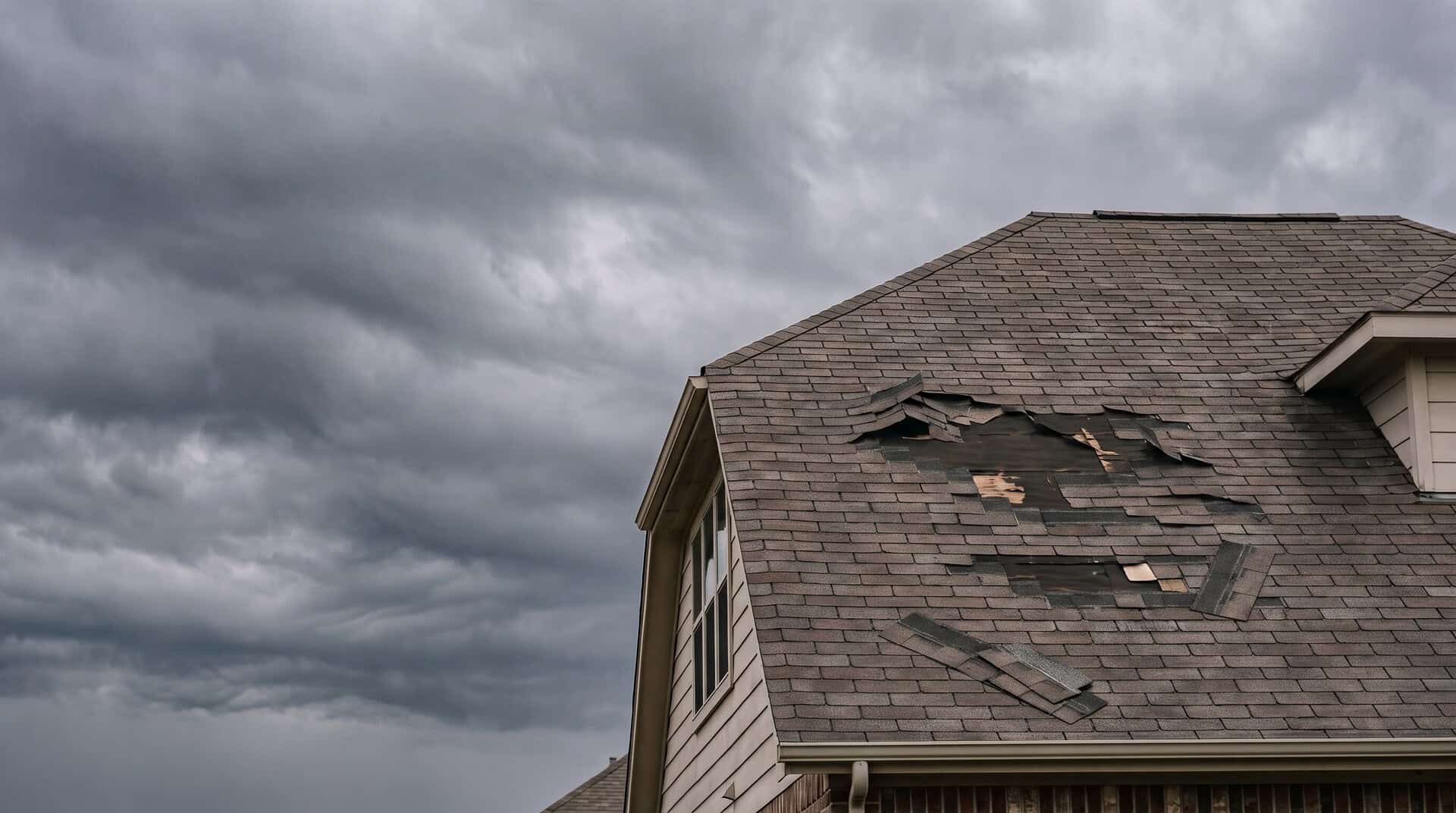
Straight-line winds do their damage at the edges and the seals. Gusts lift shingle tabs, crease them at the nail line, and break the adhesive strips that hold the field down as a system. From the street the roof looks intact. Under the next thunderstorm, wind-driven rain slides beneath the broken seals and the decking starts soaking. Next Gen Roofing & Construction inspects for exactly this failure pattern and repairs it before it becomes an interior problem.
What wind does that homeowners miss
The inspection that finds it
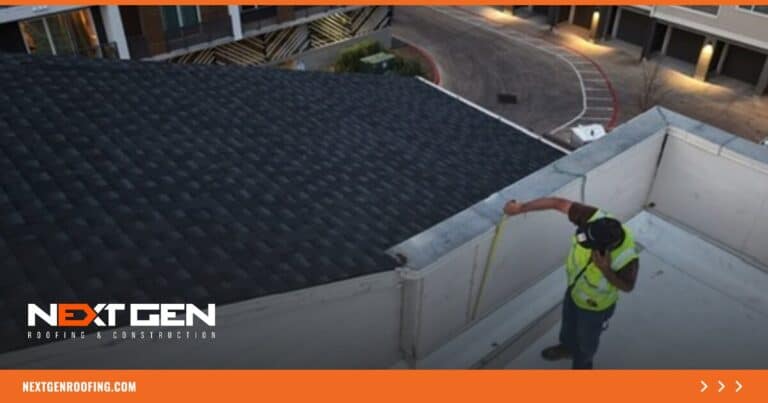
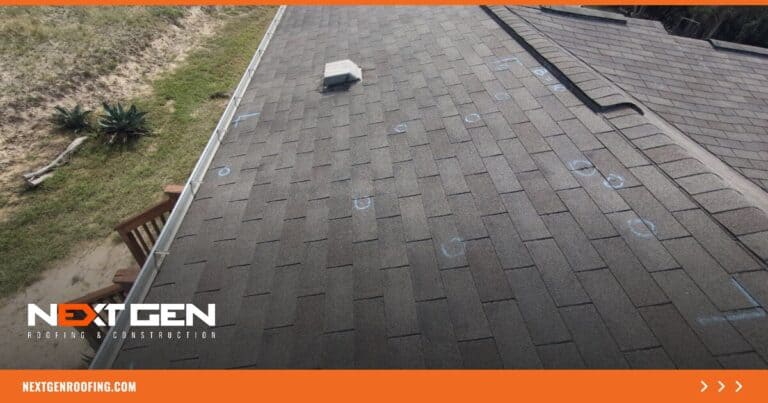
Wind assessment is hands-on: our crew walks the slopes and lifts tabs by hand to test the seal bond, checks the nail lines for creasing, and maps which planes took the brunt based on the storm’s direction. You get photographs of every finding and a repair scope that distinguishes what the wind did from what age was already doing, which matters enormously if a claim is on the table.
Repair or claim
A handful of lifted tabs and a displaced boot is a same-week roof repair. Creasing across whole slopes after a named wind event is usually an insurance claim, and wind claims live or die on documentation that separates storm damage from wear. We photograph to that standard, and when the adjuster walks the roof, our findings are already organized the way their report needs them.
Wind repair coverage
Wind calls run wherever the front went through. Crews cover Austin and the Hill Country through Wimberley. The exposed ridge-top neighborhoods of Dripping Springs and canyon-edge homes in Bee Cave see more wind damage than the metro average, and we work both after every event.
Buttoning the roof up for the next season
After a wind repair we reseal the repaired sections and flag any slope where the surviving seal bonds are weak. Sometimes the honest answer is that the roof held this time but is one spring away from a replacement conversation. Hearing that in a written report, with photos, beats hearing it from a ceiling stain in May.
The edges are the battleground
Wind failure starts where the roof meets the sky: rakes, eaves, and ridges. Modern installation standards exist precisely because a roof is a system of overlapping seals, and the system is only as strong as its most exposed edge. Our wind repairs always include the adjacent courses, because replacing one creased shingle while its lifted neighbors keep working the seals is how the same slope fails twice. Starter strips, edge metal, and ridge caps get checked on every wind call, not just the shingles that visibly moved.
Preventing the next wind loss
If your roof is holding but the seal bonds are weakening with age, there are cheap moves that buy seasons: hand-sealing vulnerable tabs on the windward slopes, upgrading ridge caps, and correcting the attic pressure problems that make shingles flutter from below. We flag these in the repair report when we see them. A hundred dollars of prevention on a ten year old roof routinely delays a five figure replacement by two or three years, and we would rather earn the replacement later than force it early.
After the front passes
The best window for a wind assessment is the first dry day after the event, while the evidence is fresh and before the next system tests the weakened seals. Walk the yard for tabs and granule piles, note which direction the worst gusts came from, and get the roof looked at even if the ceiling is dry, because wind damage leaks on a delay. The assessment costs nothing, the documentation is dated to the storm, and if a claim is ever needed that date is the difference between covered and contested when the carrier reviews your file.
Wind rides with hail more often than not
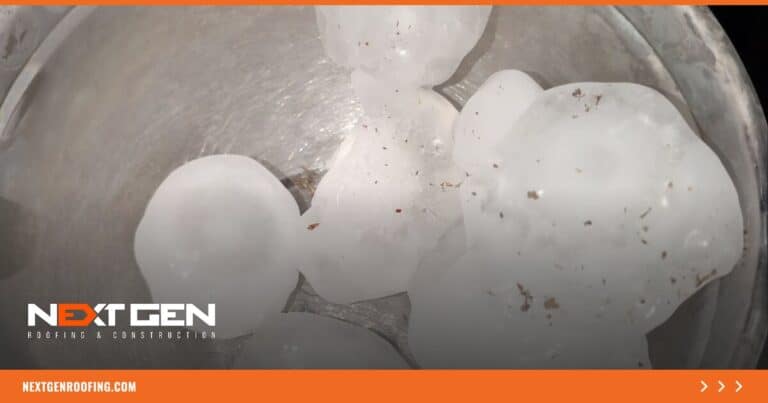
Most Central Texas storm cells deliver both, so every wind assessment doubles as a hail damage check: the roof inspection covers strike bruising alongside seal and crease damage, because filing separate storm damage roof claims for the same event is how homeowners lose coverage arguments. If the combined damage totals the field, the conversation becomes a roof replacement scoped once, documented once, and built once. Wind repair in this climate is really storm literacy, and the crews that read both damage types correctly are the ones whose emergency roof work holds up at claim time.
Storm damage repair, the wind chapter
Wind is the storm damage most Austin roofing calls actually trace back to, even when hail gets the headlines. A storm damage roof repair that starts with wind evidence reads differently to a carrier than one that starts with age, and our roofing crews write that difference into every file. Wind Central Texas wind events cluster in spring and fall, so repair demand spikes in waves, and the roof inspection that gets your damage documented early in the wave is the one that gets your roof repair scheduled before the backlog. Storm after storm, that early-documentation habit is what separates a smooth repair from a contested claim on the same street.
The inspection that finds what storms hide
Storm damage rarely announces itself. Shingles can lift, crease, and reseat flat, leaving a roof that looks fine from the driveway but fails in the next downpour. Our roof inspections cover the full surface, the flashing, and the attic side of the deck, and we provide a photo report your insurance carrier can work from. Hail damage roof checks are part of every visit, because hail and straight line gusts usually arrive together, and catching hail damage early keeps small repairs from becoming a full storm damage roof repair.
Full exterior storm damage services
Roof repair is the core of what we do after a storm, but our team handles the whole home exterior: torn siding, dented gutters, damaged fascia, and emergency roof tarping while you wait on the insurance decision. One roofing contractor, one schedule, one point of contact from the first estimate to the final walkthrough. Contact Next Gen Roofing & Construction for a free storm damage estimate and get every repair documented by a roofing team your carrier will take seriously.
Book a free roof inspection
The fastest route to a real answer is a documented inspection. A certified crew photographs every plane, then gives a straight read on whether wind damage roof repair is the right call on your property right now, and what it would cost if it is.
Send us the details and we will call you back, or reach the office directly at (830) 330-1123.